
Article · Mental Health
Bullying in Children: Practical Advice from a Clinical Psychologist
How should parents and schools respond when a child is bullied, and what help does a child who bullies need? Practical advice from clinical psychologist Dr. Mohamed Aldeoshey.

Last updated:
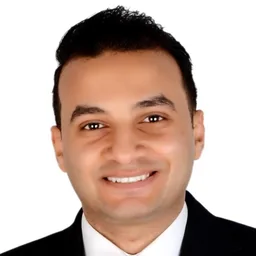
Children who are bullied need support from a specialist who knows how to help them cope with painful experiences. In his sessions, Dr. Mohamed Aldeoshey works on one goal: helping the child face bullying in a healthy way.
Teach the child to respond calmly
He describes a preschool boy who was repeatedly upset by a classmate who said hurtful words to him. Dr. Aldeoshey advised the boy to answer calmly, with a smile, as if the words did not touch him. The comments lost their effect, and the girl stopped.
When ignoring is not enough
Ignoring the bully does not suit every case. It is not enough when a child faces physical violence, repeated verbal abuse, or more than one bully.
He gives the example of a child with a hearing impairment whose classmates made fun of his hearing aid, insulted him, and sometimes hit him. A case like this is serious. The school must step in and hold the bullies accountable.
What schools and parents should do
- Schools need clear and strict anti-bullying rules, with consequences such as suspension and calling in the parents.
- Parents should take legal steps when needed, such as filing a police report, to protect their child’s rights.
- Children should learn to defend themselves in a safe way. Self-defence training can protect a child without turning to violence or aggression.
Help for the child who bullies
Children who are bullied need psychological treatment, and children who bully need behavioural therapy as well. The first step is a medical check to rule out a health cause for the behaviour, such as a brain disorder or an attention problem.
If the tests are clear, behavioural therapy begins. It usually lasts four to six months and sometimes up to two years, depending on the case. Poor parenting is sometimes the root cause, so parents and therapists need to work together for the treatment to succeed.
Do these symptoms sound familiar, in you or in someone close to you?
Please do not diagnose yourself. A proper assessment needs a clinical interview with a trained specialist.
The team at MSA Clinic for Psychiatry, Addiction Treatment and Self-Development is ready to help.
Booking: 01148211620 | 01101211620
WhatsApp: 01148211620 | Website: msaclinic.com
Address: 448 Haram Main Street, above Nasr El-Din tunnel, Al-Qabbany Tower, 2nd floor, facing Giza Metro Station.
Advice for parents at home
- Stay ready to listen, even when your child has made a mistake.
- Avoid shouting. It does not solve the problem. Calm talk helps the child tell right from wrong.
- Answer your child’s questions openly. This supports their thinking and helps them understand the world around them.
Read also
Teen depression warning signsStigma of mental illnessBedwetting in children